London, Ontario rewards operators who do their homework. It is large enough to support diverse businesses across healthcare, light manufacturing, logistics, home services, restaurants, and professional firms, yet compact enough that reputation, speed, and local relationships matter. If you are typing “business for sale London Ontario near me” and hoping a perfect listing pops up, you will miss most of what makes this market attractive. Deal flow here lives in owner conversations, advisor networks, and quiet mandates. That is where a specialist like Liquid Sunset earns its fee.
I have bought and sold companies in Southwestern Ontario for more than a decade, and the same pattern repeats. The best opportunities rarely hit public marketplaces. Sellers prefer confidentiality. Buyers want clean books, transition support, and bankable cash flow. Intermediaries bridge those needs, and the good ones, including Liquid Sunset, spend half their time getting owners prepared long before a teaser goes out.
This guide lays out how to navigate the London market with intent, how to work with a business broker without abdicating your judgment, and how to screen opportunities quickly so you do not waste time or money. Along the way, I will reference common search phrases people use here such as “business broker London Ontario near me,” “off market business for sale near me,” and “small business for sale London Ontario near me.” They reflect real demand. The trick is translating that demand into a process that surfaces the right deals and gets them closed.
Why London, Ontario is fertile ground for buyers
London sits at the crossroads of Highway 401 and 402, two hours from Toronto and Detroit. That logistics advantage supports distributors and light manufacturers that ship across North America. The city’s hospitals, educational institutions, and steady public sector spending create predictable demand for professional services, trades, and medical-adjacent businesses. Student turnover feeds rental businesses, food service, seasonal retail, and cleaning firms. Median household incomes are stable, and population growth has been consistent, if uneven, depending on the neighborhood.
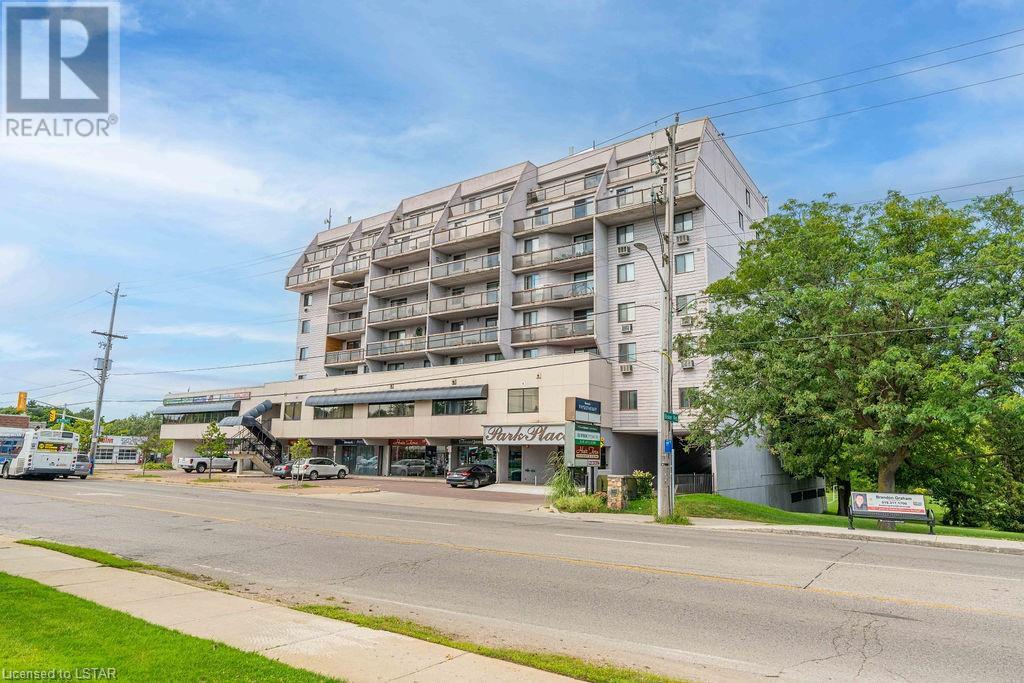
For a buyer, that means several things. Customer acquisition costs are lower than in Toronto. Skilled labor is available if you recruit outside the obvious channels. Lease rates vary widely by corridor, so you can arbitrage location if you understand traffic patterns. For example, a service business based near Hyde Park might pay more for frontage but gain affluent walk-ins, while an industrial firm south of the airport can save six figures annually in rent with no revenue penalty.
The market’s size also means there are enough owner-operators nearing retirement to create a steady pipeline. Many of them want to exit quietly to protect staff and customer relationships. If you are searching “companies for sale London near me” or “businesses for sale London Ontario near me,” you will find some inventory online, but the seller who runs a 25 percent cash-flowing HVAC shop will often opt for an off-market process managed by a trusted advisor rather than a public blast.
What “near me” really means in a deal search
“Near me” should describe more than geography. It ought to match your skill set, working capital, and appetite for operational complexity. A buyer who spent 15 years in B2B sales can probably learn to run a commercial cleaning business faster than a technical manufacturing shop with special certifications. A former plant manager can step into a light fabrication firm with ISO standards and inherit the vendor audits without panic. If you put proximity ahead of fit, you will regret it.
When I meet buyers who ask about a “business for sale in London near me,” I probe first for what near means in practice. Is it a 20-minute commute? Is it a customer base concentrated within London proper or all of Middlesex County? Is it a vendor network already tied into local suppliers? Define the boundary conditions early. A neighborhood deli looks “near” until you realize your kids’ daycare pickup cuts a daily two-hour hole in your window for deliveries and staff issues.
London’s micro-markets behave differently as well. Downtown has meaningful lunch volume yet volatile evenings unless paired with events or nearby residential. Masonville pulls families on weekends. Argyle can work for automotive services at sharper price points. Fanshawe and Western student tides wash in twice a year and then ebb. Matching the business model to these rhythms beats any generic map radius.
Liquid Sunset and brokers who earn their keep
The phrase “liquid sunset business brokers near me” gets typed by two kinds of people. The first is a buyer hunting deal flow. The second is a seller trying to quietly test the waters without spooking staff. In both cases, the value of a broker like Liquid Sunset lies less in the listing itself and more in the work done before and after it appears.
Preparation is the hidden advantage. Good brokers will scrub financials, normalize owner compensation, and separate one-time items from recurring costs. They push owners to document processes, identify customer concentration, and pre-negotiate landlord consent. They also triage confidential information carefully, because anyone can click a listing. Not everyone should see pay rates, supplier terms, or key customer names.
I have seen the difference play out. A restaurant sold in six months because the intermediary had two years of POS data broken down by shift, a clean lease assignment clause, and a 90-day transition plan priced into the deal. Another, also profitable on paper, took 18 months because the seller held the lease personally without assignment rights, kept spotty records, and promised to “help out a bit” with no detail. The buyer paid less in the latter case but spent more in friction and lost momentum.

If you are searching “sunset business brokers near me” or “business brokers London Ontario near me,” ask for references and a sample confidential information memorandum. Ask how they qualify buyers. A broker who hands out full packages without proof of funds and a signed NDA is not protecting their client, and they will not be able to keep better deals quiet.
Off-market is not a myth, it is a discipline
“Off market business for sale near me” sounds like a secret club. It is not. It is a way to manage risk and reputations. Owners want to control the narrative with staff, customers, and suppliers. They do not want competitors using loose numbers from a generic listing against them. They will entertain buyers who show seriousness early and can move through diligence without chaos.
Seriousness, in this context, means you have a lender conversation before you start signing NDAs, you can write a one-page profile that explains your background and capital, and you are prepared to sign a non-compete if the industry is sensitive. It also means you respect timelines. If the broker tells you the data room will open next Friday, you do not text the owner directly on Wednesday fishing for proprietary details.
The best off-market deals I have seen in London closed with less drama because everyone behaved like a professional. The buyer asked for bank statements to tie revenue to deposits rather than reworking the financials from scratch. The seller offered a tight, time-bound vendor take-back note rather than a loose handshake. The broker kept a short list of buyers and a strict updates schedule. Fewer people, fewer surprises.
How to frame your search so Liquid Sunset can help
Brokers want clarity. “Buy a business in London near me” is too vague. If you send an email like that, you will get added to a newsletter list and nothing else. If you write, “I want a blue-collar service company with three to twenty employees, commercial customers, stable repeat revenue, and owner’s discretionary earnings between 300 and 800 thousand, ideally light seasonality, within a 30-minute drive of Lambeth,” your odds change. Now the broker can pull from memory and files.
Similarly, “business for sale London, Ontario near me” could be a boutique gym or a metal shop. If you have preferences on customer type, contract structure, regulatory burden, or asset intensity, say so. A buyer who wants a small business for sale London near me with fewer trucks and less capex should not waste time on fleets and heavy equipment. One who is comfortable with regulated environments might seek medical clinics, pharmacies, or dental labs, each with specific compliance protocols and lender requirements.
Your capital structure matters too. Many London deals between 1 and 5 million enterprise value use a mix of bank financing, buyer equity, and a vendor take-back of 10 to 25 percent. Lenders here will look closely at debt service coverage from normalized earnings. If you come with a firm pre-qualification and can articulate your debt tolerance, a broker like Liquid Sunset can shortlist targets that fit the structure rather than trying to retrofit leverage later.
What brokered deals do, and do not, include
It is important to be realistic about what a broker does. They orchestrate a process, they do not guarantee outcomes. When you search “buy a business in London Ontario near me,” you will find intermediaries offering valuation, marketing, and negotiation. They will not run your due diligence for you, and they should not. They will provide tax returns, compiled financial statements if available, leases, asset lists, customer summaries, and staff rosters. They will not certify the future.
A strong intermediary will advise a seller to invest in a quality of earnings review if the business is mid-seven figures or larger, which speeds bank underwriting. For smaller businesses, you will often rely on tax filings, bank statements, and general ledgers. Expect inconsistencies. Small operators run personal expenses through the business. Some are legitimate add-backs, others are not. A broker’s add-back schedule is a starting point, not gospel.
Do not expect earnouts to be common on the very small end. Under roughly 1 million in earnings, earnouts create measurement headaches and post-close conflict. A clean price with a vendor note tied to a realistic transition plan keeps everyone aligned. That said, in industries with churn risk or where revenue depends on owner relationships, you might structure a short earnout tied to retained accounts. The balance here is between risk sharing and operational control.
Reading London financials with a skeptical eye
There are local quirks. Seasonality is real for any business tied to Western University or Fanshawe College population swings. Summer slumps can distort trailing twelve months if a seller times a listing poorly or if the business relies on students for staffing. Watch for labor spikes each September and January. Get two full years of monthly P&L to see the pattern.
Utility costs vary more than you https://atavi.com/share/xlysbxz1nmcs1 expect, especially in older industrial units. A warehouse that looks cheap at first may carry high heating bills half the year. Ask for 24 months of utility statements. Municipal taxes also surprise some buyers when they shift from a gross to a net lease. In retail and services, London’s neighborhood-by-neighborhood demographics matter for price elasticity, so comp data from Toronto will mislead you. For instance, independent fitness studios with 200 to 300 members can survive with lower average revenue per member in London, but only if rent is negotiated aggressively and class schedules align with commuter realities.
In trades and home services, many London businesses are built on repeat contracts with property management firms and institutional clients. Scrutinize contract terms. Are they cancelable on 30 days’ notice? What about rate escalation? A seller might say “recurring,” but if it is 12-month renewable language with no penalty, you need a retention plan baked into the transition. For manufacturing and distribution, ask about the automotive sector exposure, which can be a blessing or a whip if a Tier 1 customer changes models.
The human side of a local handover
Owners in London often sell to preserve what they built, not just to maximize price. They care about staff and customers bumping into them at the grocery store. They may accept a slightly lower number for a buyer who commits to continuity. I have seen sellers choose a buyer with a thinner offer because the buyer showed up prepared, listened, and understood the business’s rituals.
If you plan to “buying a business in London near me” with a promise of aggressive change, be careful with the first 90 days. Keep vendor relationships steady. Meet key customers in person with the seller, and do not reprice until you have mapped the true value drivers. London rewards quiet competence. It punishes slash-and-burn transitions that confuse staff and unsettle clients.
Create an operating calendar. Week one, sit down with the bookkeeper and schedule vendor payments. Week two, ride along with field staff or shadow front-of-house to spot workflow bottlenecks. Week three, meet the landlord in person, even if the lease is settled, to build goodwill. These practices feel old-fashioned until you need a favor.
When listings work, and when they do not
Public listings have a role. A good “business for sale in London Ontario near me” page will attract out-of-town capital that might not otherwise find the market. That can help a seller capture multiple bids and push terms into a safe zone. For a buyer, listings can also teach price-to-earnings norms and give you language for lender conversations. I recommend looking at both brokered and private listings to keep your feel for the market sharp.
But do not confuse visibility with quality. I once reviewed four nearly identical local service businesses. The two posted widely had round numbers and vague customer descriptions. The two handled quietly had exact counts of monthly recurring service stops, revenue per stop, and churn over three years. The quiet deals closed on better terms for everyone. The public ones lingered and eventually closed at a discount after staff turnover.
Negotiation in a small pond
Negotiating in London is less theatrical than in larger metros. The pool is smaller, so your behavior travels. I keep offers simple: price, cash at close, vendor take-back percentage and terms, a cap on working capital adjustments, and a clear training and transition schedule. If you are financing with a bank, present the lender contact and your timeline. It signals you can finish.
Do not nickel-and-dime on broken chair counts or pens. Spend your energy on issues that move earnings or risk: customer concentration, lease assignment, non-compete scope and duration, and whether any family members are on payroll at above-market wages with hidden roles. The non-compete in particular matters in London because industries can be tight-knit. You want geographic scope that reflects actual service areas, not the entire province, and a duration that lenders will accept, often three to five years.
How to vet a broker before you sign an engagement
If you are a seller thinking “sell a business London Ontario near me,” you will get inbound pitches from intermediaries every week. Choose carefully. Ask how many deals they closed in the last 24 months within 100 kilometers of London. Ask to speak with both a buyer and a seller from those deals. Review a redacted marketing package for depth and accuracy. Confirm they understand local lenders and can help prepare a bank-friendly data set.
Fee structures vary, but a sliding success fee with a modest retainer aligns incentives. The retainer ensures the broker invests in preparation. The success fee pays only when you close. Beware of brokers who promise unrealistic valuations or who post your confidential information on generic marketplaces without filtering buyer interest. A thoughtful intermediary will also tell you if the timing is wrong, for example if your key manager just resigned or your top customer is up for bid.
Financing realities around the 401
Banks serving London will finance healthy cash flows with sensible leverage, but they want to see stability and documented add-backs. If your target’s earnings swing by quarter, you will need to show why. Asset-backed lines can help smooth working capital for distributors and manufacturers, but do not expect the bank to fund your entire purchase price. Plan on meaningful equity and a vendor note that demonstrates the seller’s confidence in the transfer.
For “buy a business London Ontario near me” searches at the small end, community lenders and credit unions can be more flexible on collateral and decision speed than the big banks, provided the story is clean. Bring your lender into the process early. Share the broker’s package, ask what they will need for underwriting, and map a closing calendar that includes their credit committee cycles. I have lost a month because a buyer assumed a committee met weekly when it met twice per month.
A compact checklist for buyers working with Liquid Sunset
- Define your target in one page: industry, size, cash flow, geography, your background, and capital. Pre-qualify with a lender and understand your maximum comfortable debt service. Reach out to Liquid Sunset with your profile, and request a call to align on fit and process. Respect confidentiality and timelines, and be ready with a basic diligence list tailored to the business. Draft a simple, credible offer that a lender can underwrite and a seller can explain to their spouse.
A compact checklist for owners considering a sale
- Clean the books for at least two trailing years and separate personal from business expenses. Review your lease for assignment and term length, and talk to your landlord before marketing. Document key processes, vendor terms, and customer contracts to shorten diligence. Decide on your transition plan, availability, and boundaries before price negotiations. Interview Liquid Sunset and one or two other brokers, and choose the one who challenges you constructively.
Where keywords meet real outcomes
Searches like “business for sale London Ontario near me” and “buying a business London near me” are a useful starting point. The market responds to action. If you want access to “small business for sale London near me” or “business for sale in London Ontario near me” with fewer competitors, present yourself as a buyer who can close. If you want buyers in your inbox for “sell a business London Ontario near me,” make your business bankable and your story clear.
Local knowledge compounds. If you are evaluating “business broker London Ontario near me,” pick someone who knows which industrial parks hide expensive utilities, which landlords are flexible, and which trade associations in the city quietly move contracts from one operator to another. Liquid Sunset has built a reputation on that kind of detail, and in a market like London, details tip deals from maybe to yes.
A last, practical note. When you eventually step into ownership, the postsale months decide whether you captured value or just bought revenue. In London, that means paying attention to the small courtesies that matter in a mid-sized city. Show up to industry breakfasts, sponsor a local team if it fits your brand, learn your delivery drivers’ names, and show your face at customer sites unannounced but respectful. Brokers can get you to close. Operators win by being present.

If you are serious about finding a business for sale in London, Ontario near you, start by tightening your criteria and building the relationships that produce real options. Reach out to a capable intermediary like Liquid Sunset with a clear brief. Ask better questions. Take careful notes. Then move when the right deal appears. The combination of discipline and local respect is what gets transactions done here, and it is what keeps them healthy after the ink dries.